
How To Change AI Camera Angles And Keep Character Consistency
Same face, same pond, same light. Only the camera moves. Nine camera angle prompts that hold one subject steady from wide shot to close-up, ready to copy.

Camera angle is the most under-used control in AI image generation. When a frame doesn’t land, the reflex is to rewrite the whole prompt, and what comes back is a different picture rather than a better one.
The alternative is to hold everything still and move one thing. Nine prompts follow, all run against a single base image, with the subject, location, light and grade held identical across every one.
The base image
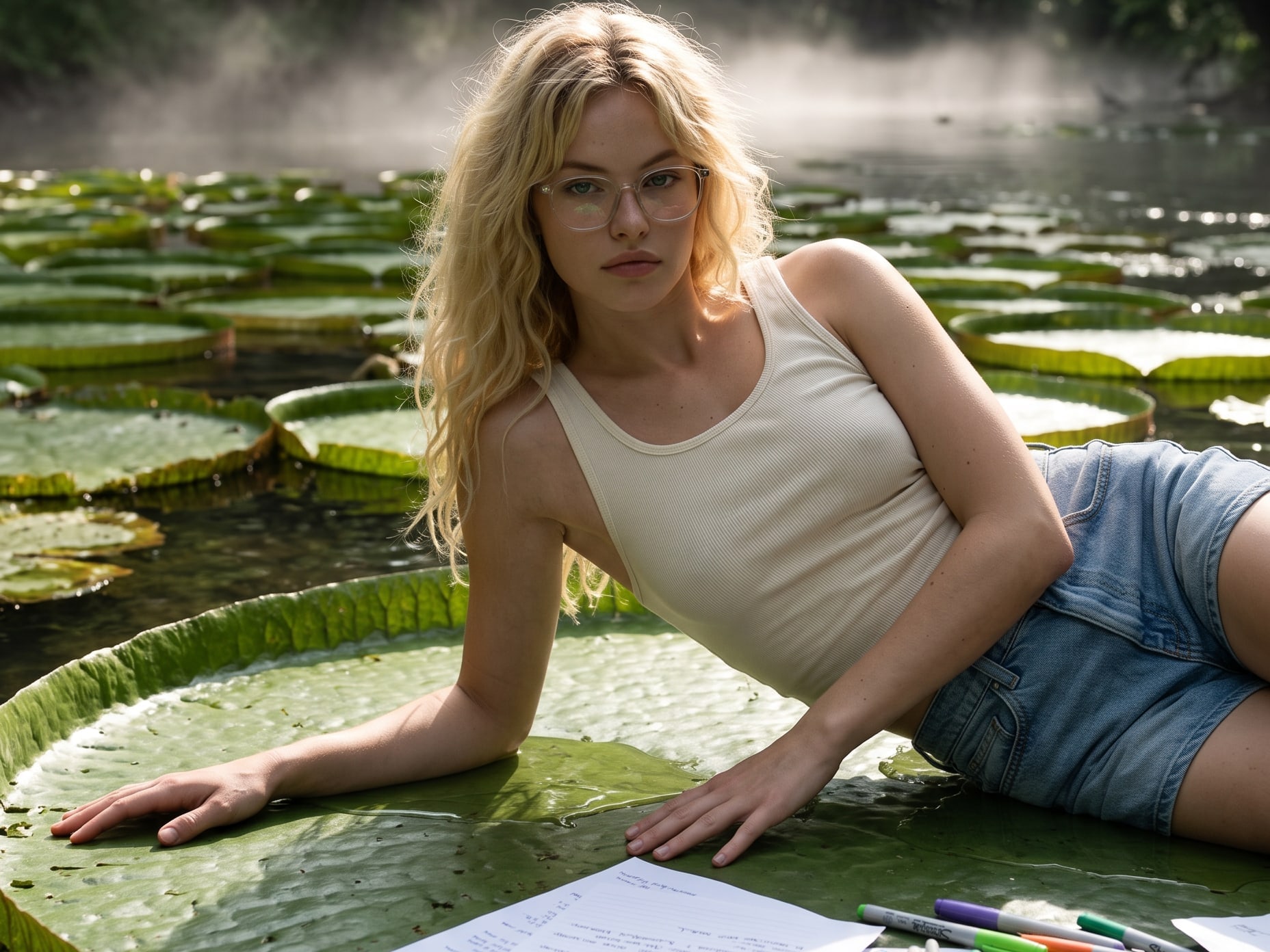
Make this one first and don’t settle. Subject, wardrobe, location and light are all inherited nine times over.
Then run each prompt against it as image 1. Always the original, never the previous output, or small errors compound and the likeness walks away from you somewhere around the fifth frame.
Distance
How much of the world you let in.
01. Wide shot
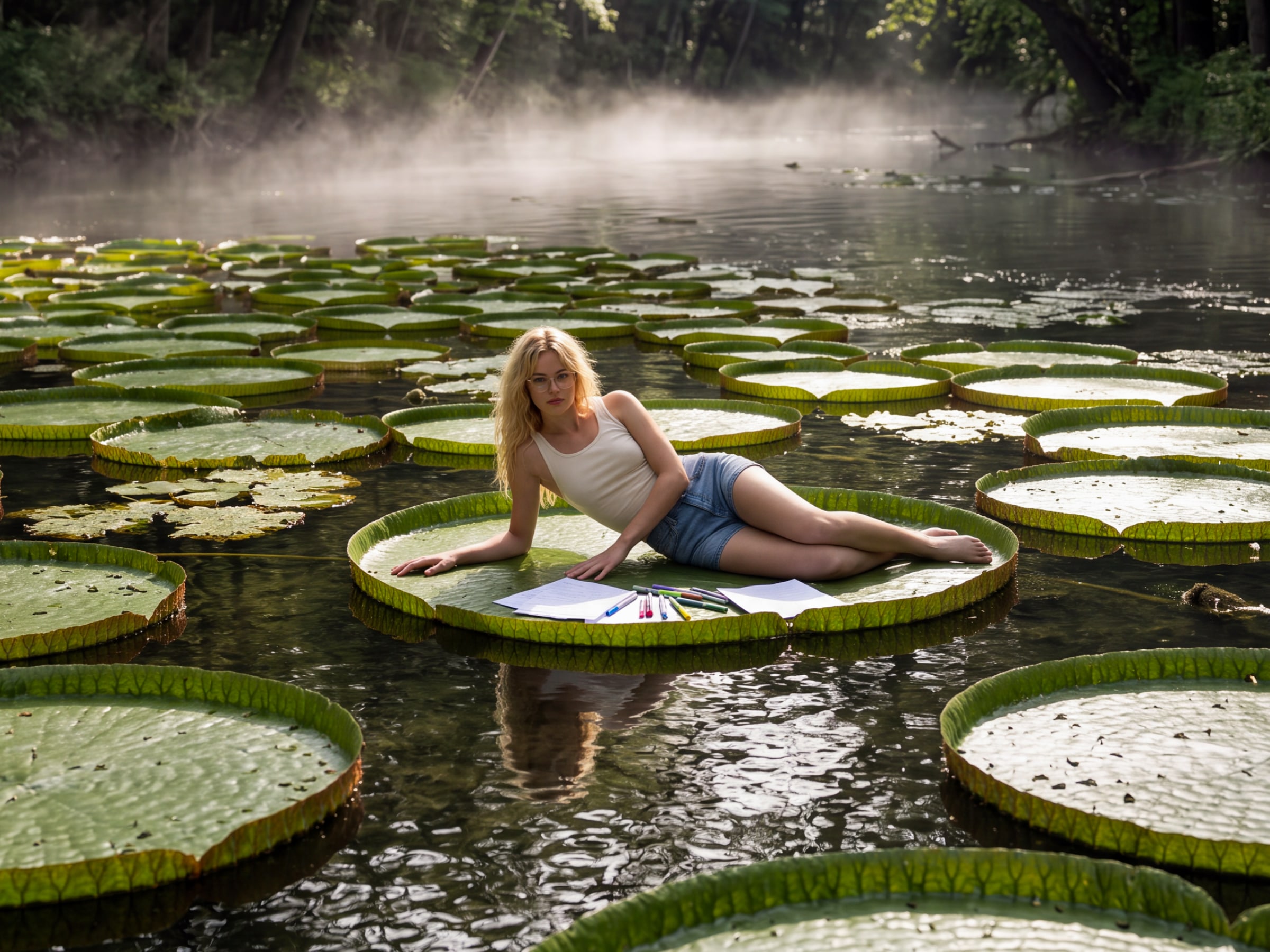
The subject becomes a figure in a place rather than the subject of a portrait. Useful when the location is carrying the work, or when a set needs one frame that breathes.
Use image 1 as the base image. Keep the same subject, their exact face, hair, wardrobe, and the same location, lighting, and colour grade. Change only the camera angle. Re-render the scene from very far back and slightly elevated, so the subject occupies a small portion of the frame and the full environment is visible around them, extending to the far edges and the horizon line. Show the surrounding space, the depth layers between camera and subject, and the background landscape or architecture naturally. Keep the subject sharp and clearly readable at that distance, holding their original pose, clothing, and position within the scene.
02. Close-up
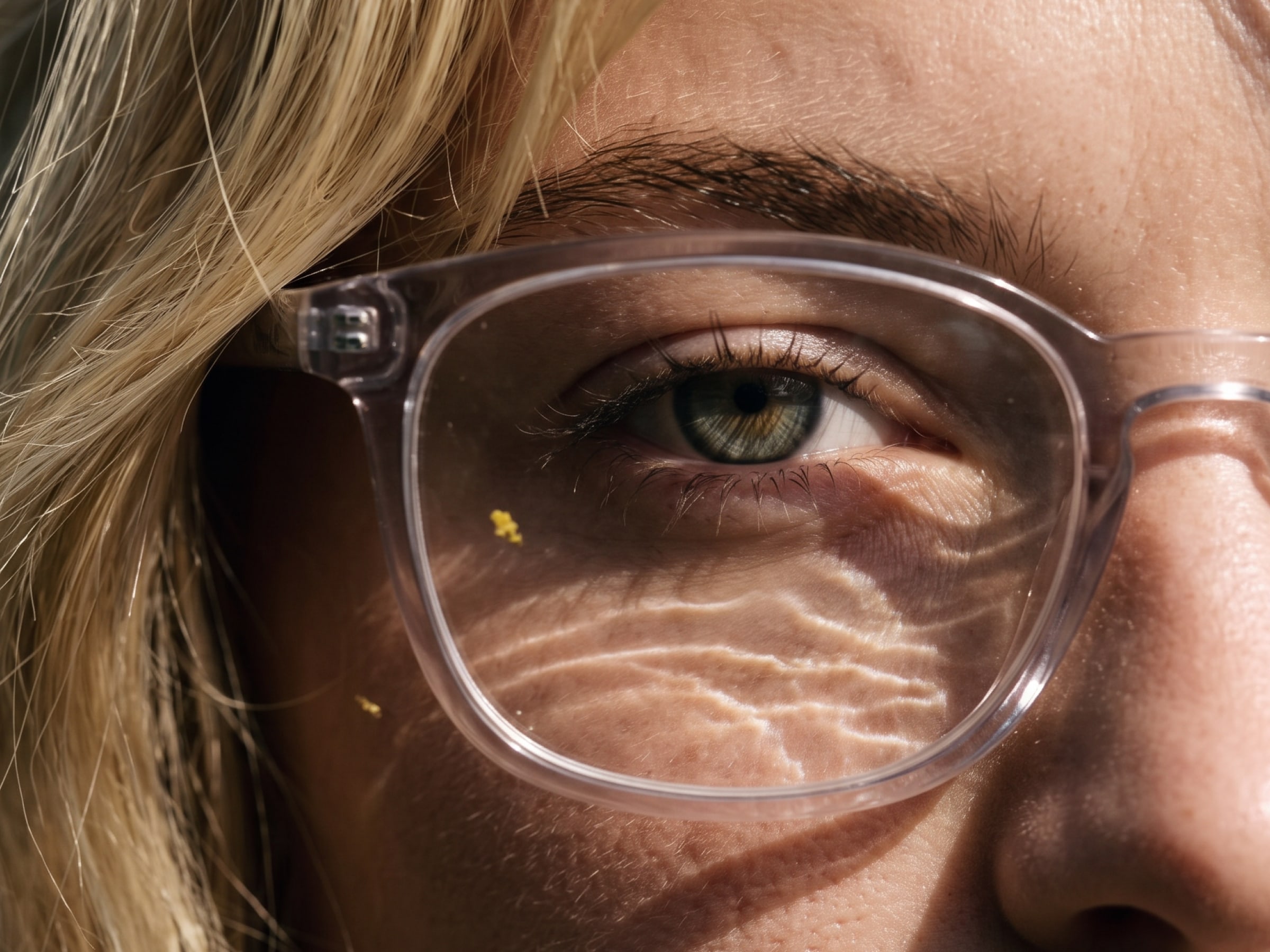
Also the honest test of whether the base image holds, because at that scale nothing hides.
Use image 1 as the base image. Keep the same subject, their exact face, hair, wardrobe, and the same location, lighting, and colour grade. Change only the camera distance. Re-render as a close-up: the camera moved in tight so the face fills most of the frame, cropped from roughly the top of the head to just below the chin, only a hint of the shoulders at the bottom edge, the background soft and far behind. Preserve their exact face, hair, and skin, keeping the likeness identical to image 1.
That prompt says camera distance, not camera angle. Be literal about which variable is moving.
Height
The group carrying the most meaning, because it decides who sits above whom.
03. High angle
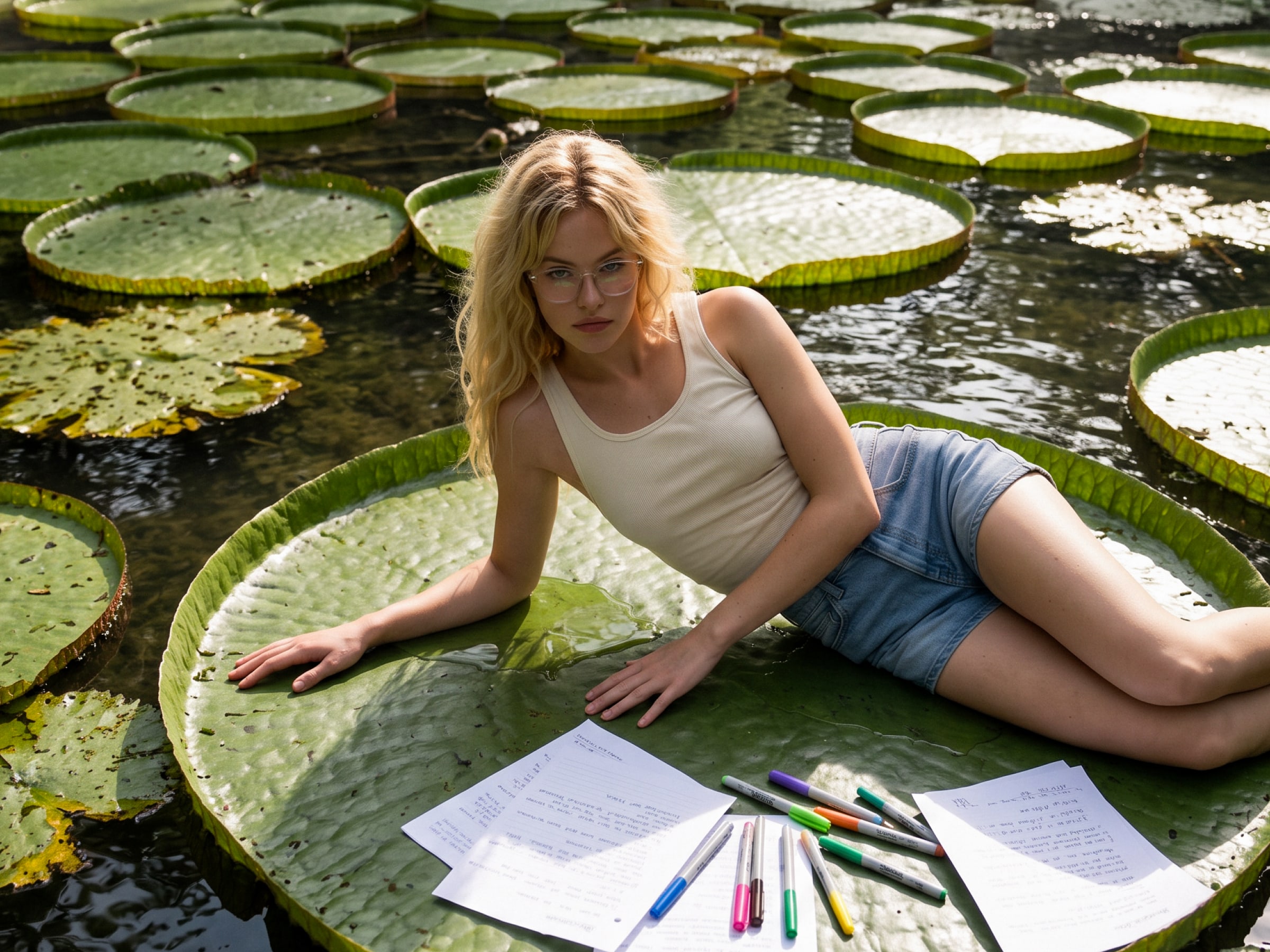
Raised and tilted down about forty-five degrees. The figure reads as observed rather than presented.
Use image 1 as the base image. Keep the same subject, their exact face, hair, wardrobe, and the same location, lighting, and colour grade. Change only the camera angle. Re-render the scene from a high angle: the camera raised well above the subject's head and tilted down toward them at roughly forty-five degrees, so we look down onto the subject, seeing the top of their head and shoulders with the body foreshortened below and more floor than sky in the frame. Preserve their build, clothing, pose, and the surrounding environment, extending the floor and surroundings naturally to fill the downward view.
04. Bird’s eye view
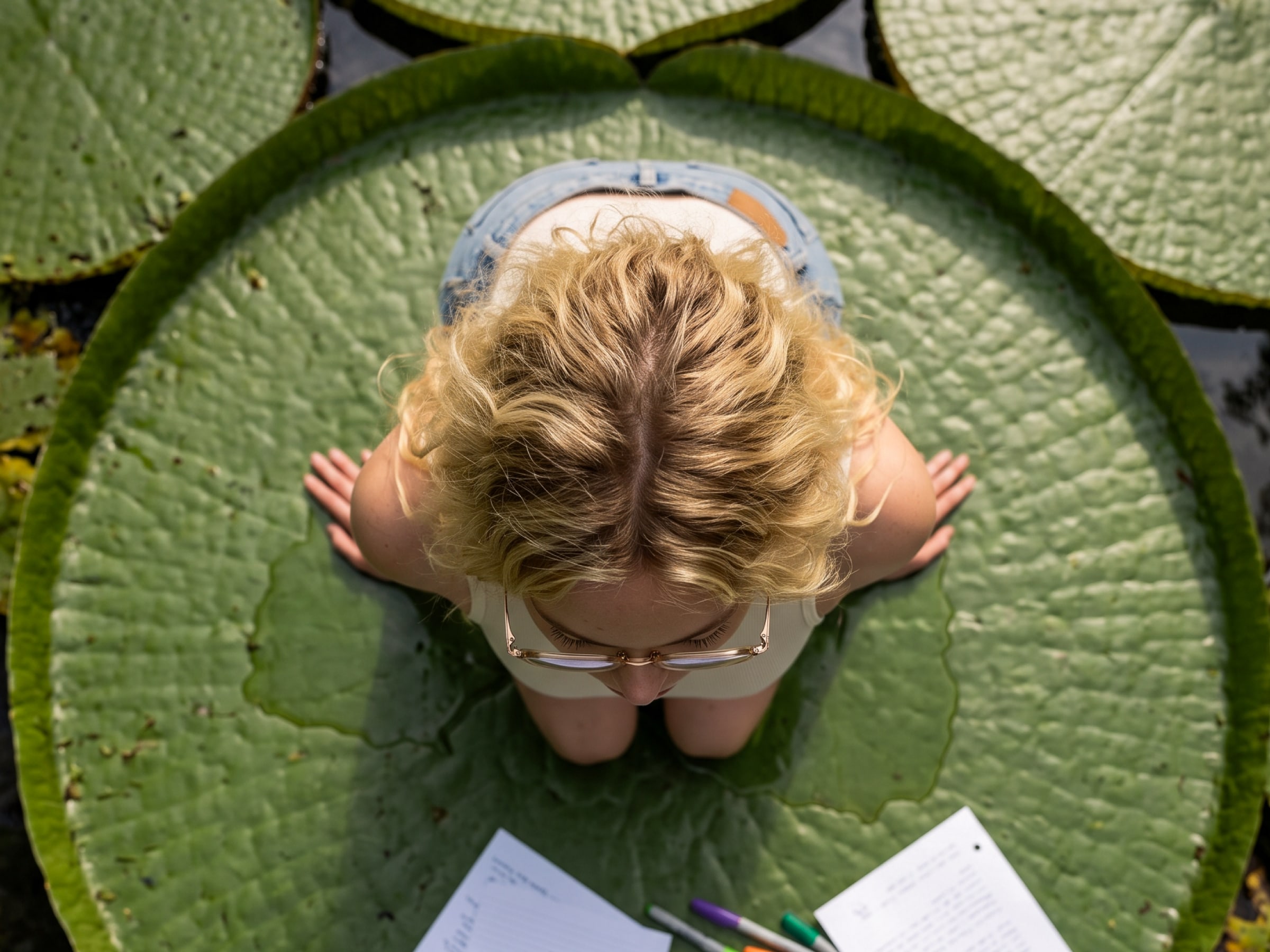
Not a steeper high angle but a different picture entirely. The floor becomes the composition and the subject becomes a shape sitting on it, which is worth reaching for whenever there is a pattern underneath them.
Use image 1 as the base image. Keep the same subject, their exact face, hair, wardrobe, and the same location, lighting, and colour grade. Change only the camera angle. Re-render the scene from a true bird's eye view: the camera positioned directly above the subject, pointing straight down, so we look down onto the top of their head and shoulders and the floor fills most of the frame. The subject is seen from directly overhead, foreshortened, standing on the ground below. Preserve their build, clothing, and the surrounding environment, extending the floor and surroundings naturally to fill the new overhead view.
05. Worm’s eye view
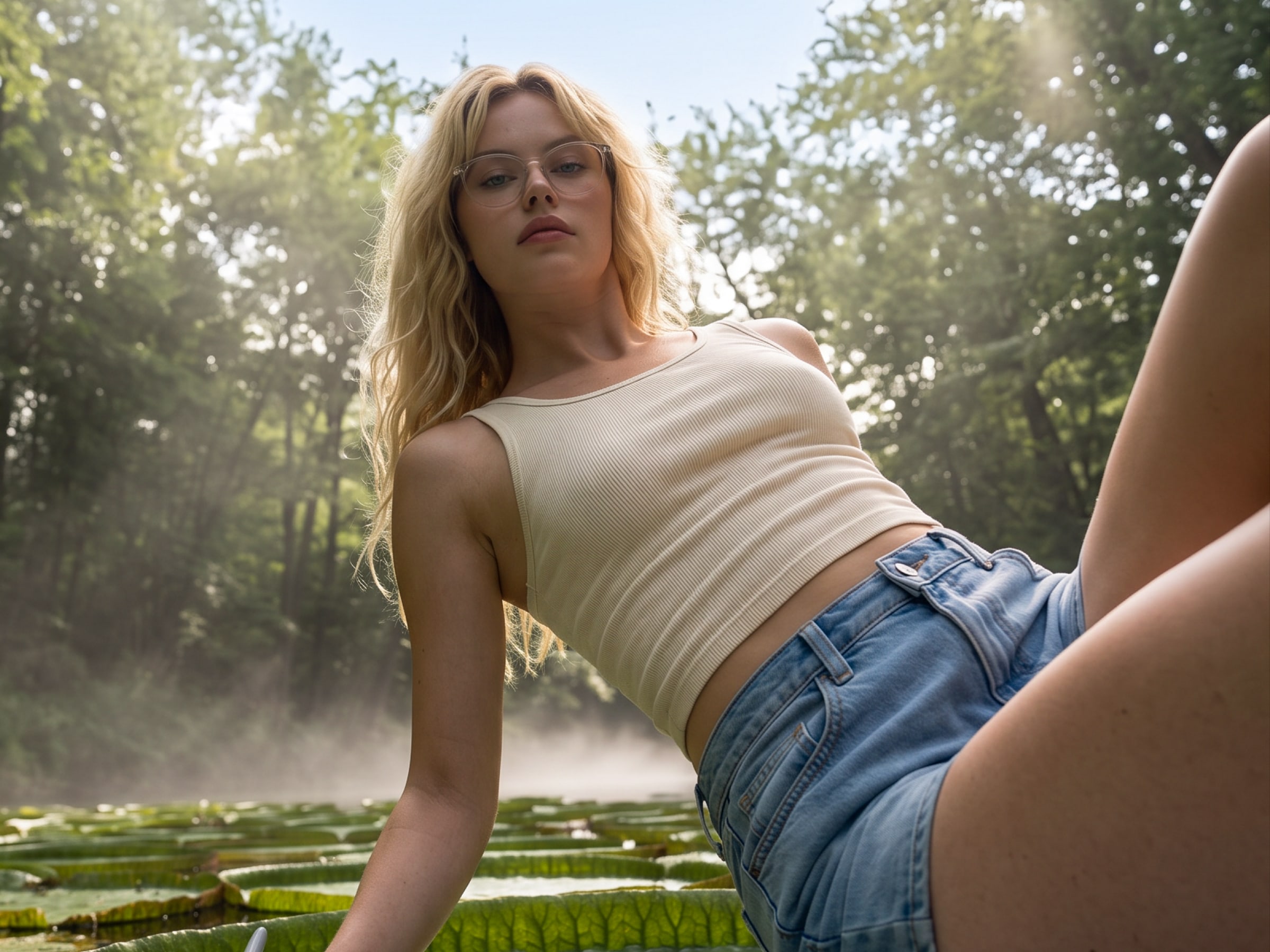
The body looms, the legs tower and the sky opens behind. It buys scale and drama at the cost of a flattering likeness.
Use image 1 as the base image. Keep the same subject, their exact face, hair, wardrobe, and the same location, lighting, and colour grade. Change only the camera angle. Re-render from a worm's eye view: the camera resting almost on the ground at the subject's feet, pointing nearly straight up, so the body looms enormous and dramatically foreshortened, the undersides of the chest, chin and jaw dominant, the legs long and towering in the foreground, the face small and far at the top, and the sky opening out wide overhead. Preserve their build, clothing, pose, and the surrounding environment, extending the sky and surroundings naturally to fill the steep upward view.
Position
Where the camera stands on the circle. This is the group that builds a world rather than a picture, since every step around reveals a side of the location that was never generated.
06. Profile
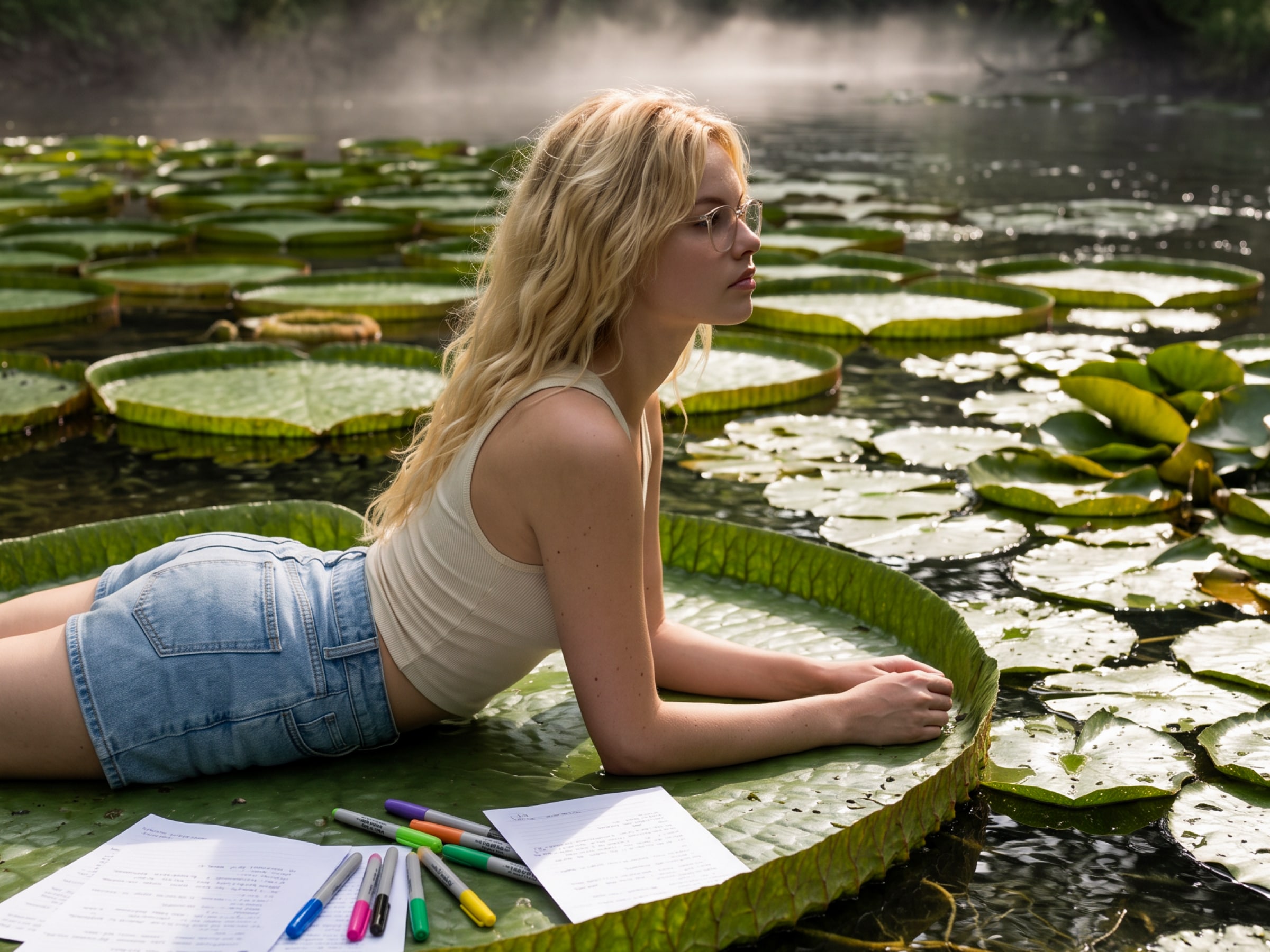
Ninety degrees round, pose held. It shows what was off frame the whole time.
Use image 1 as the base image. Keep the same subject, their exact face, hair, wardrobe, and the same location, lighting, and colour grade. Change only the camera angle. Photograph the scene from ninety degrees to the subject's side, the camera relocated to that new position while the subject holds the identical pose and head direction from the original frame. The environment reveals what stands to that side.
07. Rear view
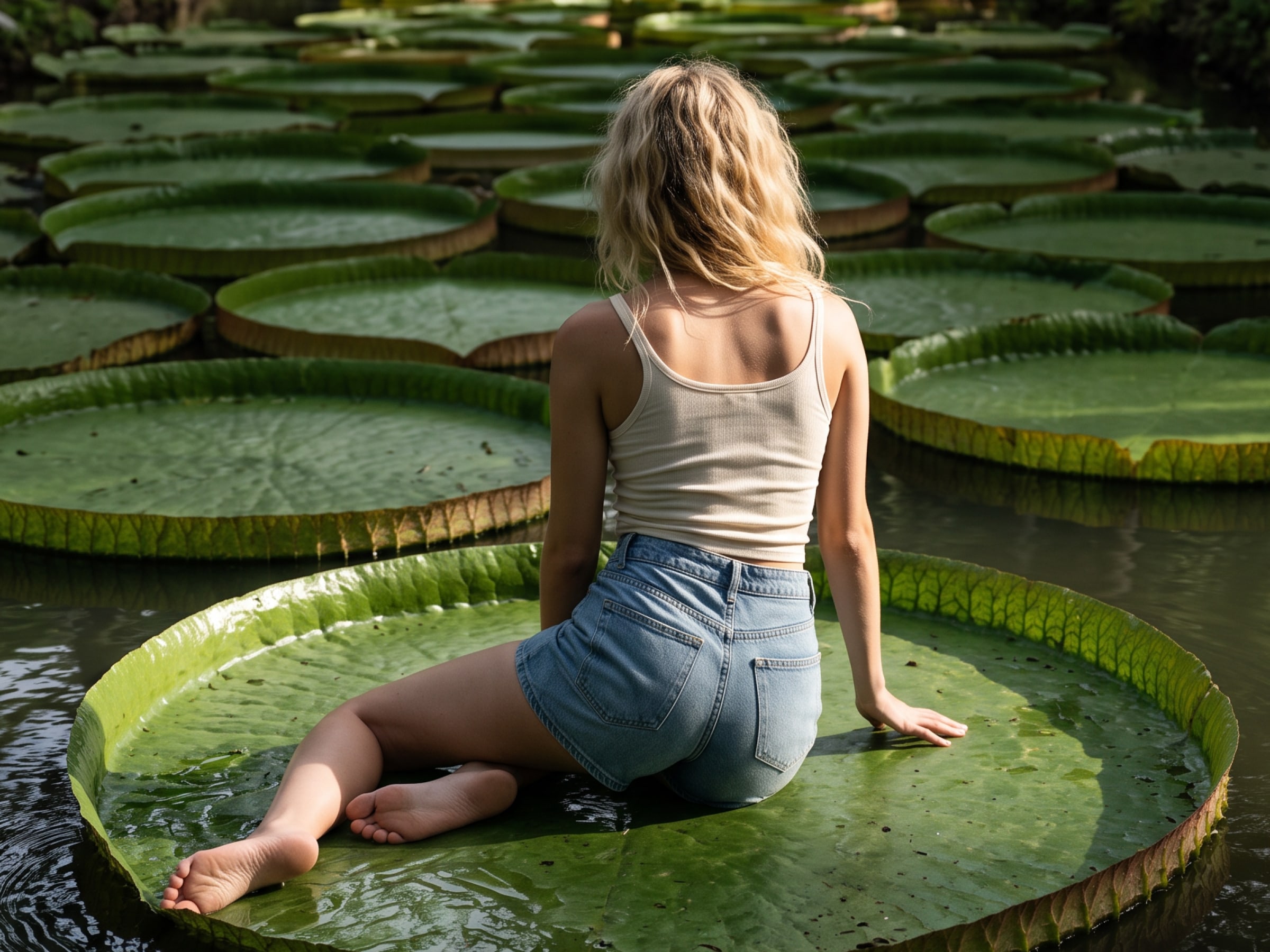
Behind the subject at shoulder height, face turned away. It holds the figure back and pushes the eye past them into the depth of the scene, which usually makes it the quietest frame in a set.
Use image 1 as the base image. Keep the same subject, their exact face, hair, wardrobe, and the same location, lighting, and colour grade. Change only the camera angle. Re-render the scene from directly behind the subject at their shoulder height, so the camera sees the back of their head, the fall of their hair, and the back of their clothing, with the face turned fully away from the lens. Keep their original pose and position. Let the environment open ahead of them into depth, the background falling gently softer toward the far edge of the frame.
08. Over the shoulder
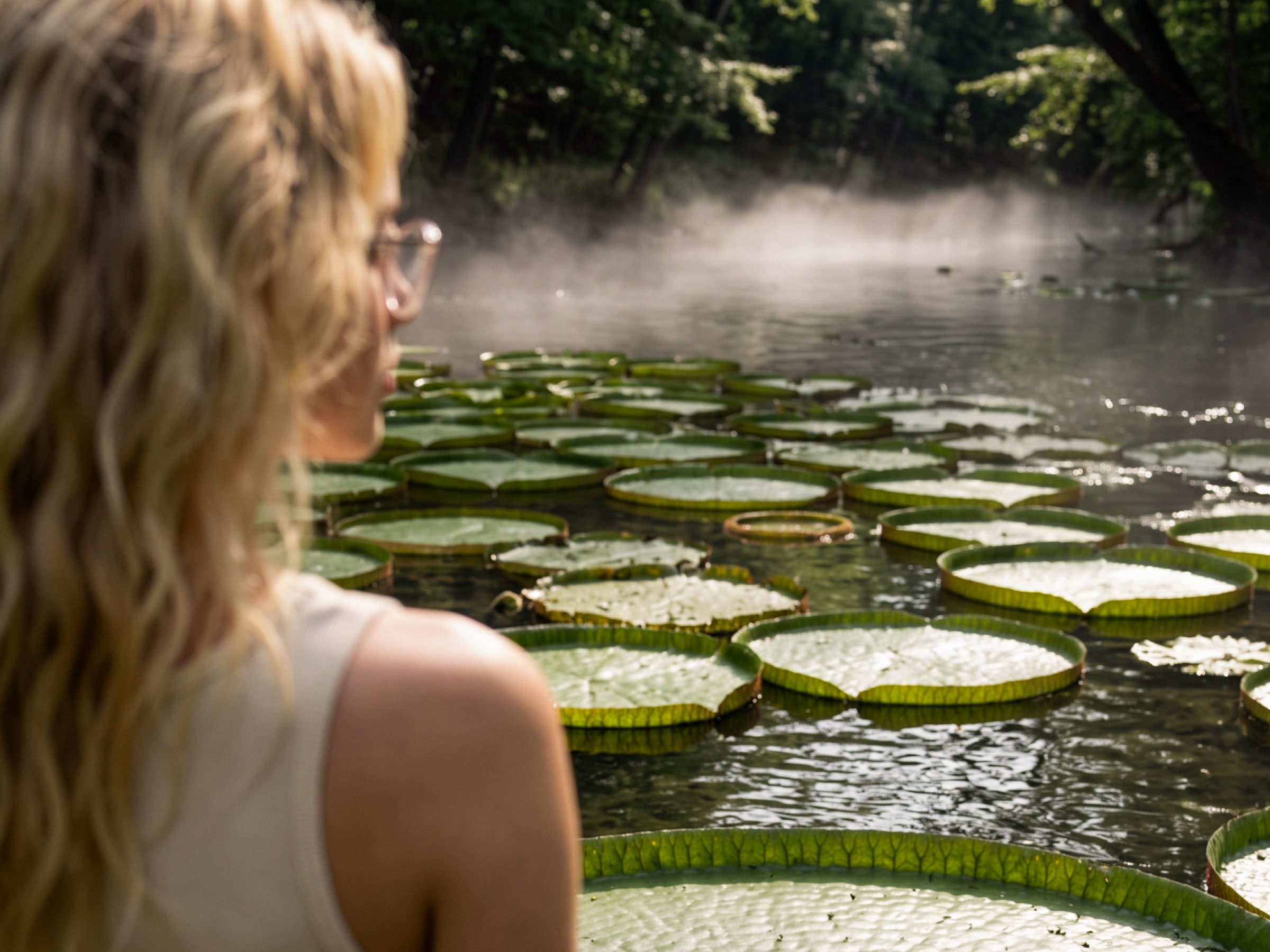
The head and shoulder sit large and soft at the edge while the scene ahead reads sharp. It places the viewer with the subject rather than opposite them.
Use image 1 as the base image. Keep the same subject, their exact face, hair, wardrobe, and the same location, lighting, and colour grade. Change only the camera angle. Re-render as an over-the-shoulder view: the camera positioned behind the subject and just to one side, framing past the back of their head and one shoulder in the near foreground, looking out into the location in front of them. The back and side of the head and the shoulder sit large and soft at the edge of frame while the environment ahead reads sharp and fills most of the view. Preserve their build, clothing, and the surrounding environment, extending the scene ahead naturally to fill what they are facing.
Frame
Nothing moves except the picture.
09. Dutch angle
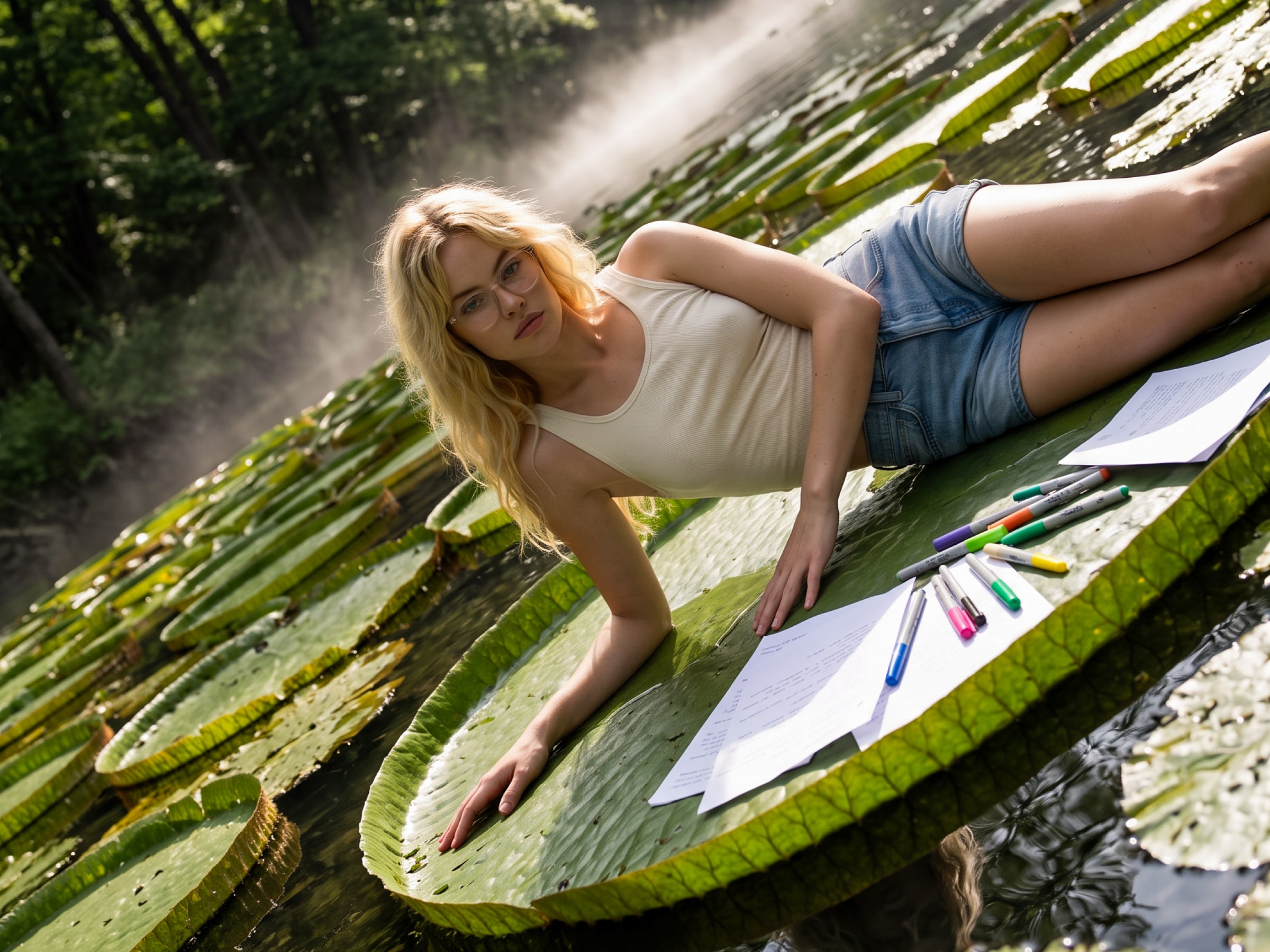
Twenty degrees is enough to turn every horizontal in the scene into a diagonal. It announces itself, so it earns its place rarely.
Use image 1 as the base image. Keep the same subject, their exact face, hair, wardrobe, and the same location, lighting, and colour grade. Change only the camera angle. Dutch angle shot with a strongly tilted horizon, the entire frame rotated about twenty degrees so every horizontal line in the environment runs as a clear diagonal and verticals lean with it. Fill all four corners with continuous environment.
What breaks a set
Leaving the new space undescribed. The frame opens onto ground the base image never contained, and what fills it is architecture that does not belong, a sky that does not match, a floor from somewhere else.
Two changes in one prompt. Angle and wardrobe together, and there is no way to tell which instruction produced the result.
Chaining outputs. Running 02 against whatever 01 returned rather than against the base. It saves a step and costs the set.
None of this is clever writing. Eight of the nine sentences in each prompt are identical, and the one that changes is phrased as a restriction rather than a request.
